
How to Sell Land Fast in South Carolina

A quick South Carolina property sale starts with removing reasons for a deal to stall, not simply lowering the asking price. If you want to sell your land quickly, decide what matters most: a dependable closing, the highest possible proceeds, or fewer responsibilities along the way. Then choose a route that fits your parcel and your deadline. This guide explains practical preparation, pricing, offer screening, and closing coordination without assuming every tract can move on the same schedule.
Decide what a faster sale must accomplish
Start with the event driving your timing. An upcoming move, continuing upkeep, or a family decision may create different priorities. Write down your preferred completion window, the minimum proceeds you can accept after estimated expenses, and how much uncertainty you can tolerate. These are planning boundaries, not a promise that the market will meet them.
Separate a quick agreement from a completed land sale. An attractive offer may still depend on financing, inspections, or resolving an ownership question. Ask what must happen after signing and who controls each step. A buyer who explains those dependencies gives you more useful information than someone who only emphasizes speed.
If your deadline is flexible, testing broader exposure may be worthwhile. If certainty matters more than maximizing price, a simpler transaction may deserve greater weight. The goal is to sell your land fast without accepting an agreement that merely transfers the delay to a later stage.
Before contacting anyone, identify which tradeoffs are acceptable and which would make the transaction unsuitable.
Choose a way to sell your land that fits your deadline
A real estate agent who specializes in land can help with pricing, marketing, inquiries, and negotiations. Ask about experience with your type of land, the proposed exposure strategy, communication frequency, and compensation. Representation can reduce your workload, but hiring someone does not establish when an acceptable offer will arrive.
Selling land by owner gives you direct control over advertising and conversations. It also leaves you responsible for responding promptly, screening interest, and coordinating professional help. Unlike selling a home, a wooded tract may require substantial explanation before someone can judge whether it suits their plans.
A direct purchaser offers another route. Companies that buy land may evaluate a parcel without a public marketing campaign, but compare the proposed proceeds and conditions against other options. A direct price may differ from what you hope to achieve through broader exposure.
South Carolina Land Buyer reviews vacant lots, woodland, inherited acreage, back-tax parcels, and access-issue properties. Its South Carolina property purchase service offers a written proposal without obligation and no agent commissions; transaction terms belong in the contract.

Prepare your land by resolving information gaps first
Before spending money on clearing or improvements, assemble a practical information packet. Useful starting materials include the parcel identifier, your existing deed, available surveys, known access information, tax correspondence, and any agreements affecting use. This is a preparation recommendation, not a statement that every item is legally required for every sale.
Tell the buyer what you know and what remains unconfirmed. A visible track is not the same as verified legal access. Likewise, nearby utilities do not establish connection availability or cost. Provide supporting records where available rather than turning assumptions into advertising claims.
Make your property easier to evaluate with current photographs, a clearly labeled location map, and safe viewing instructions. Walk the land only where you have permission and can do so safely. Avoid costly clearing simply to improve appearances before understanding whether it would influence the decision.
If ownership involves an estate or several family members, raise that issue early with counsel. Our guide to inherited property decisions explains the coordination questions to address before negotiations advance.

Use comparable evidence to set a workable price
To sell land quickly, price must reflect both the property and the uncertainty a purchaser would assume. Review recent land sales with similar acreage, access, location, and physical characteristics. Asking prices show competition, but they do not establish what someone ultimately paid or which concessions affected the result.
A roadside lot and an interior wooded tract may have similar acreage but different appeal. Separate verified characteristics from possibilities such as subdivision or development. If a proposed use is central to your price, identify what still needs confirmation instead of presenting that use as approved.
Consider requesting professional pricing input when the parcel is unusual or available comparisons are weak. A land valuation should explain its assumptions; a confident number without supporting evidence does little to help you assess an offer.
Choose a review point before you list your property. If inquiries are sparse or repeatedly expose the same concern, revisit the information, exposure, and price together. Repeated reductions without diagnosing the problem can consume time without improving the likelihood of completion.
Help a serious buyer reach a clear decision
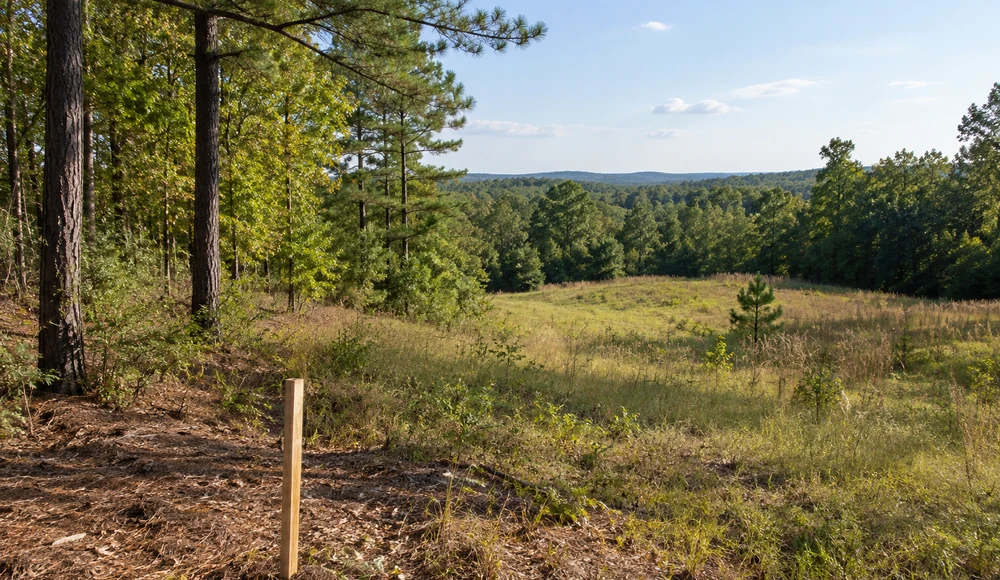
Advertising should answer the questions that otherwise produce several rounds of messages. Include acreage, general location, known access conditions, available supporting records, and a clear explanation of unresolved issues. Describe vacant land accurately rather than relying on an attractive photograph to imply suitability.
Potential buyers may be evaluating very different uses. Ask what they intend to do, whether that plan needs further investigation, and how they expect to fund the purchase. Someone actively looking for land may still be early in their search and unable to commit within your preferred window.
When you advertise land for sale, use one consistent information packet across channels. Conflicting acreage, access descriptions, or prices create avoidable doubts. Keep a short record of questions and answers so you can correct an unclear description once rather than repeat the same explanation indefinitely.
Respond with useful facts, but protect sensitive personal information. Before providing documents containing unnecessary private details or accepting unusual payment instructions, ask the closing attorney how to share information securely.
Compare a cash offer with the full contract
A cash offer can remove a financing dependency, but it does not eliminate title review, investigation, or other contract conditions. Ask how the buyer intends to demonstrate available funds, what inspections are planned, and which circumstances allow cancellation. Have a professional explain unfamiliar language before you sign.
Compare proposals using the same categories: price, estimated seller expenses, deposit arrangements, investigation period, closing conditions, and responsibility for unresolved matters. A higher headline amount may be less useful if it depends on a lengthy approval process that conflicts with your priorities.
Ask whether the buyer expects to purchase directly or whether assignment is contemplated. Discuss the implications with your attorney rather than assuming either structure guarantees or prevents completion. Understand who can change dates and what happens if a condition remains unsatisfied.
Keep tax planning separate from the amount expected at closing. Our guide to taxes when transferring property outlines questions to discuss with a qualified adviser. This article provides general education, not individualized legal or tax advice.
Give the closing attorney time to verify the transfer
A South Carolina licensed closing attorney should handle closing. Involve that professional early enough to identify ownership questions, review the agreement, and explain which records or signatures your circumstances require. Do not assume an old deed or an online ownership entry resolves every issue affecting transfer.
Under South Carolina Code Title 30, Chapter 5 on recording prerequisites, a deed or other written instrument generally must be acknowledged or proved through the statutory methods before recording, subject to statutory exceptions. Let the attorney determine how the applicable requirements affect the documents in your transaction.
Separately, Title 30, Chapter 7 on the effect of recording provides that, for the instruments it covers, protection against later creditors or purchasers without notice begins from the day and hour of recording in the appropriate county office. That qualified rule does not mean recording alone clears title.
Ask who will coordinate signing, funds, recording, and confirmation of completion. Timing depends on the parcel, parties, title work, and closing process, not simply the date printed on an offer.
Keep decisions and follow-ups on a short checklist
Once an agreement is underway, track each open question with a responsible person and a next action. Examples include obtaining an existing survey, answering an access question, or confirming signing arrangements with the attorney. A shared checklist keeps the selling process from slowing because everyone assumes someone else is handling a task.
If a problem appears, ask whether it affects price, feasibility, or timing before approving a response. An access concern may require professional investigation; an outdated photograph may only need replacement. Treating every issue as equally urgent wastes attention and can encourage unnecessary spending.
Do not cancel other arrangements or commit expected proceeds based solely on an optimistic estimate. Request an updated explanation of outstanding conditions when circumstances change. Verify unexpected changes to payment instructions directly through a trusted contact method.
The practical path is straightforward: establish your priorities, provide accurate information, compare written terms, and keep professional review moving. Speed comes from fewer unanswered questions and better coordination, not from skipping the checks that support a completed transfer.
South Carolina Land Selling Guides
Request a South Carolina Land Offer
Share your property details for a no-obligation review.
Open Offer Form →