
How to Sell Land Without a Realtor in South Carolina

Selling a South Carolina parcel yourself means taking responsibility for decisions an agent would otherwise help coordinate: setting a defensible price, answering inquiries, comparing contracts, and keeping the transaction moving. You can retain control over the sale without trying to become a surveyor, attorney, or tax adviser. The practical goal is to decide which work you can manage and which questions deserve professional help before you commit to a buyer.
What selling land by owner puts on your desk
An owner-directed transaction is a division of responsibilities, not a promise that everything becomes simpler. Unlike selling a home, a wooded tract or undeveloped land may require explanations about boundaries, access, and the evidence behind possible uses. Your role is to communicate what you know, identify what remains unverified, and avoid promising results you cannot establish.
South Carolina's licensing statute contains a specific owner-interest exclusion. Under Section 40-57-240(1) of the South Carolina Code, the chapter does not apply to an unlicensed owner's sale when the interest being sold is identical to that owner's legal interest. That condition matters. It is not blanket permission to act as another person's broker, and it should not be assumed to resolve every estate, entity, or representative situation.
Before deciding to sell your land without representation, write down who will answer messages, arrange visits, negotiate terms, and communicate with the closing office. If several owners are involved, agree on a spokesperson while leaving signature and authority questions to the attorney. An organized assignment of work helps prevent contradictory promises and unanswered inquiries.
Choose between a real estate agent and a direct approach
The useful comparison is not simply commission versus no commission. Working with a realtor may provide marketing support, inquiry handling, and negotiation assistance under an agreed service arrangement. Handling those tasks yourself avoids that particular engagement but transfers the workload to you. Compare the actual proposed services and costs rather than assuming every arrangement is identical.
One route is broad advertising to individuals who might buy land for personal use or investment. Another is approaching a land investor or land buying company directly. Broad exposure can create more conversations, while a direct approach lets you evaluate a specific proposal without running an extended advertising campaign. Neither route guarantees the strongest net result.
South Carolina Land Buyer reviews vacant lots, woodland, inherited acreage, and parcels with back-tax or access issues. Its written offer carries no obligation and no agent commissions; the contract controls the transaction terms. Treat that as one comparison option, not a substitute for reviewing the agreement.
A cash offer can be worth considering when fewer financing dependencies matter to you. Still ask what investigations remain, whether assignment is permitted, and what could change the proposed closing date.

Pricing land around evidence rather than expectations
Begin with completed transactions involving genuinely comparable acreage. An advertised figure shows what someone requested, not what another buyer accepted. When evaluating the land market, compare location, tract size, road frontage, documented access, terrain, and available information about utilities. Two nearby properties can appeal to very different purchasers.
Keep a short comparison worksheet with the source, transaction date, acreage, price, and important differences. A small buildable lot is not automatically a useful comparison for a large wooded tract. Likewise, dividing every transaction into a per-acre figure can conceal differences in usability or development expense.
If evidence is thin or the parcel has unusual characteristics, consider asking a land appraiser for an independent opinion. The value of your land should not rest solely on an automated estimate or the amount you hope to recover. Set an initial asking range and a private minimum based on your circumstances, then revisit them when credible feedback arrives.
Before you price your land, estimate your likely net proceeds under several offers. A higher sale price may be less attractive if it comes with uncertain financing, extended holding costs, or expenses shifted to you. Record assumptions so comparisons remain consistent.
Organize paperwork for selling land before negotiations
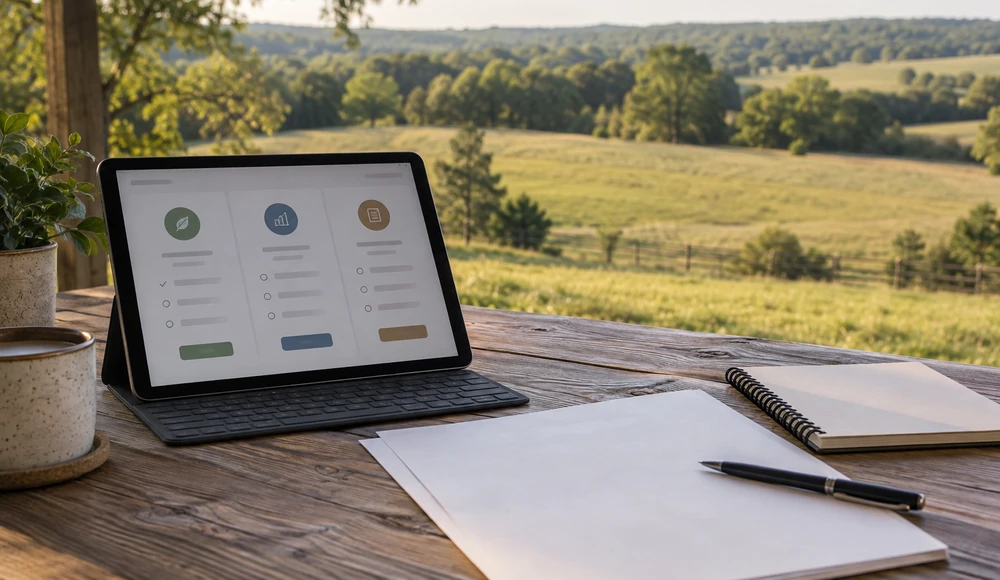
Create a property folder rather than sending scattered screenshots whenever someone asks a question. Useful starting materials include the recorded deed, parcel identifier, existing surveys, available access documents, and information about outstanding loans or property taxes. This is a preparation checklist, not a declaration that every item is legally required for every transaction.
Separate documents from assumptions. A county map can help locate a parcel of land, but do not present its displayed lines as a newly established boundary. An old survey may be useful background without answering every current question. Note the source and date of each record and explain any uncertainty plainly.
Ownership deserves particular attention before advertising. Compare the names in the deed with the people expecting to sign. If an owner has died, an entity holds title, or someone proposes signing through a representative, ask the closing attorney what authority must be established. Our guide to documents used in a South Carolina property sale can help organize that discussion.
Keep private identification and financial records out of public advertisements. Share sensitive material only through an appropriate channel with a verified professional who explains why it is needed.
Make a vacant land advertisement useful to serious buyers
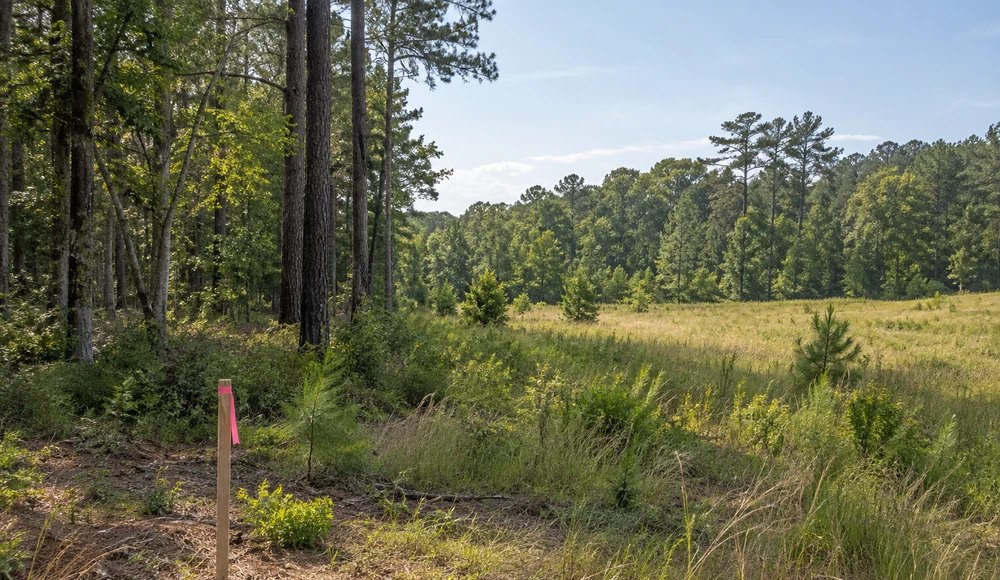
When you list your land, describe what a reader can verify: approximate acreage with its source, general location, asking terms, known access arrangements, and available records. Avoid treating nearby utilities as proof of a connection or presenting a possible building use as an approved use. State which questions require independent investigation.
A clear land listing can include current photographs, a location reference, and instructions for requesting a visit. If you advertise land for sale by owner, identify yourself as the owner or accurately describe your role. Do not conceal uncertainty behind broad claims such as guaranteed buildability or unrestricted access.
Give potential buyers the same basic information packet and keep a simple inquiry log. Ask about intended use, financing, investigation needs, and decision timing. These questions help you understand fit without promising that a particular plan will work. Someone planning to purchase land for a residence may have different questions than someone seeking recreational acreage.
Arrange visits deliberately. Explain where visitors may enter, whether gates are locked, and whether accompanied access is appropriate. Do not direct people across a neighbor's property based on an assumption. Consistent communication makes marketing land more manageable and reduces avoidable misunderstandings.
Compare offers through the purchase agreement
Put each proposal into the same comparison format: price, deposit, financing conditions, inspection rights, proposed closing date, cost allocation, and cancellation provisions. Ask when money is due, who holds it, and what happens if a party does not proceed. A verbal statement that the buyer is ready does not answer those questions.
Read contingencies as practical decision points. What may the buyer investigate? Can the buyer terminate after that investigation? Could requests for extensions leave the property tied up longer than expected? If a proposed change affects your plans, request clarification before accepting it rather than relying on a reassuring conversation.
For a sale without a realtor, professional contract review is especially useful when language is unfamiliar. Ask a South Carolina licensed attorney to explain the purchase agreement and any addenda before you sign. Do not assume a form fits your parcel simply because another seller used it.
Keep negotiations in writing and preserve every accepted revision. Compare proceeds and uncertainty together. A successful land sale is not merely an accepted number; it is a transaction whose obligations you understand and whose timing you can reasonably accommodate.
Use a real estate attorney for closing coordination
A South Carolina licensed closing attorney should handle closing. Contact the office early enough to discuss ownership, existing liens, access concerns, and any unusual contract provisions. Ask who will communicate outstanding items and how you will receive the settlement figures. Your preparation folder supports that work but does not replace a title examination or professional judgment.
Clarify the roles of everyone involved. South Carolina's statutory definition of a transaction broker recognizes that someone may facilitate a transaction without representing either party. Facilitation and representation are different. Ask whom a professional represents, what services are included, and where you should obtain independent advice.
If title companies or other service providers are involved, ask the attorney how their work fits into this particular closing. Verify payment instructions through a trusted, independently confirmed contact method, especially if an email announces changed wiring details.
Closing proceeds also differ from after-tax proceeds. Review your acquisition records and expenses with a qualified tax adviser rather than assuming a percentage applies. The South Carolina land-sale tax guide explains preparation questions and points readers toward applicable official resources. This article provides general education, not individualized legal or tax advice.
Questions before you sell vacant land without a realtor
Ask whether you have the time and information to manage inquiries consistently. If your records are incomplete, start by identifying the gaps rather than publishing confident claims. If communication or negotiation feels unmanageable, compare professional service options before committing to an owner-directed route.
Ask what you are actually saving. Selling without a realtor can save an agreed listing commission when you do not engage a listing agent, but it does not eliminate closing expenses, professional advice, or your own time. Evaluate the full budget instead of treating every avoided service as free work.
Finally, ask what must be resolved before you can accept a reliable offer. Unclear signing authority, disputed access, or missing payoff information deserves attention before scheduling around a hoped-for closing. Choose a route that matches your readiness, keep promises within what you can verify, and judge written proposals by their complete terms.
South Carolina Land Selling Guides
Request a South Carolina Land Offer
Share your property details for a no-obligation review.
Open Offer Form →